Where Do Squirrels Spend the Winter in New England?
The 6 reasons why squirrels are a threat to New Englanders during the winter.
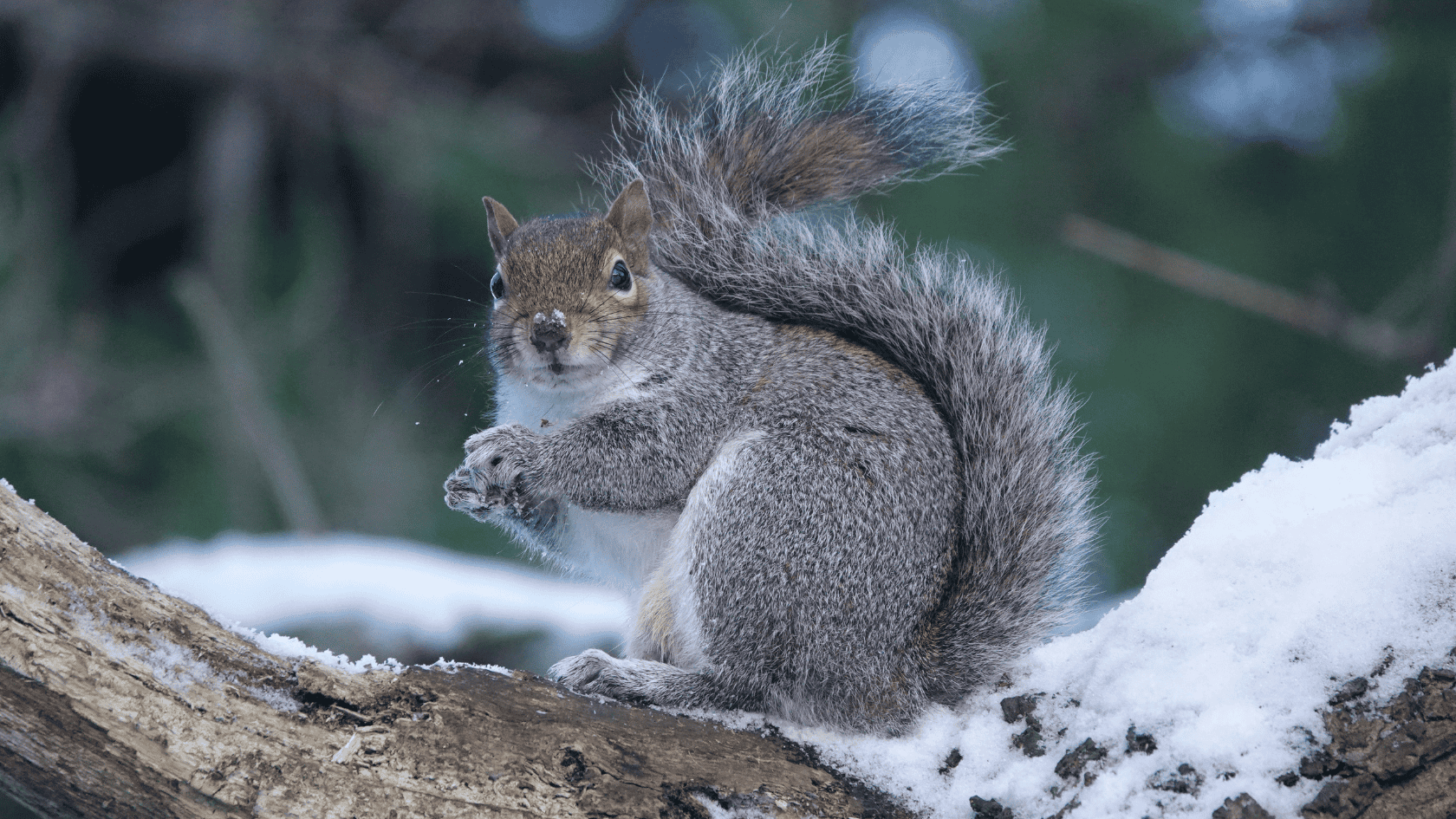
Winter has fully settled into New England, along with everything that comes with it: chilly temperatures, dry air, and even the occasional Nor'easter.
Here, the colder months do offer a well-earned break from warm weather pests, but it’s crucial to stay diligent no matter the season. Even though nuisance pests like mosquitoes & ticks lay dormant, homeowners face a different breed of uninvited guests during the winter.
Beware of scratching noises, chew holes, and exterior damage during this time of year—because squirrels, New England’s most destructive nesters, are wreaking havoc all season long.
6 Squirrel Facts to Keep in Mind During the Winter
1. Squirrels do not hibernate.
Other mammals across the United States might take the cold weather as a sign to hunker down and sit tight for the season—but not squirrels.
Thanks to an impressive winter preparation regimen during the autumn, squirrels take the winter by storm in New England. Their sleeping patterns might change to accommodate the chill, but otherwise, these furry-tailed pests remain as active as ever during the winter.
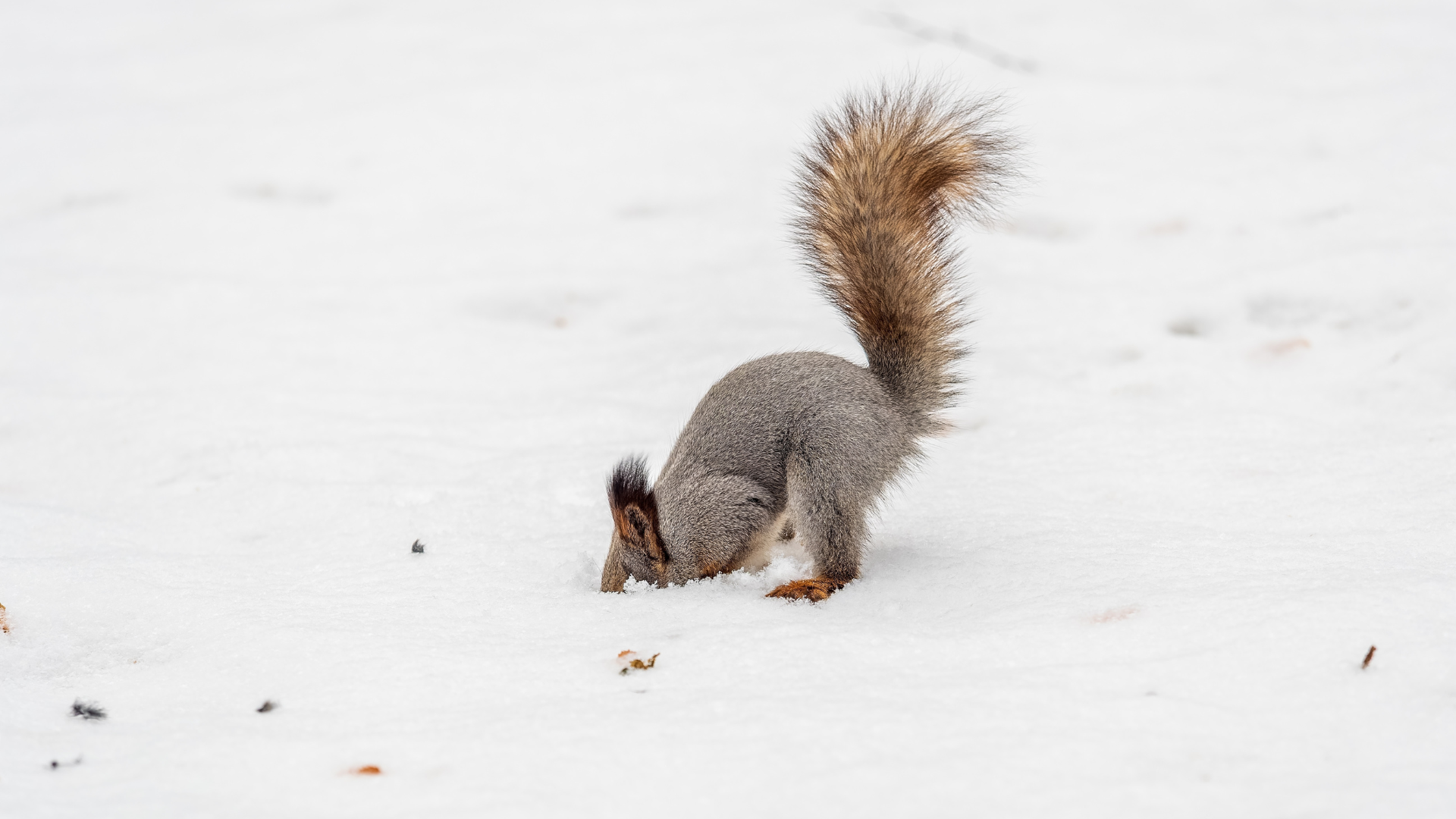
2. Squirrels can locate hidden food stores even under the snow.
Squirrels spend the weeks leading up to the winter completing two important tasks: eating as much food as they can and hiding the rest.
By increasing their food intake while food is easily accessible, squirrels boost the fat reserves that keep them warm when the weather grows cold. They’ll also save a portion of their gathered food for later. Squirrels will most commonly hide food in the ground, burying thousands of nuts in shallow holes (called “scatter hoarding”).
Once the winter settles in, they’ll be able to locate these stores even while covered by snow, thanks to a combination of their powerful sense of smell and surprisingly acute spatial memory.
Keep an eye out for squirrels during warmer, sunnier days during the winter. You’re most likely to find them while they're digging up their hidden nuts and seeds.
3. Squirrels can have babies only 30 to 45 days after mating.
Winter is actually one of the two annual mating seasons for squirrels. Between December and February and again during June through August, squirrels will partake in “mating chases,” where males will pursue female squirrels, racing them through the trees. Once the chase is complete, they’ll give birth just over a month later.
That makes the end of February through March a busy time of year for squirrels. Though breeding will wind down, mother squirrels will need to find shelter against the cold for herself and her new babies—a search that often brings them right into attics, basements, and other interior spaces.
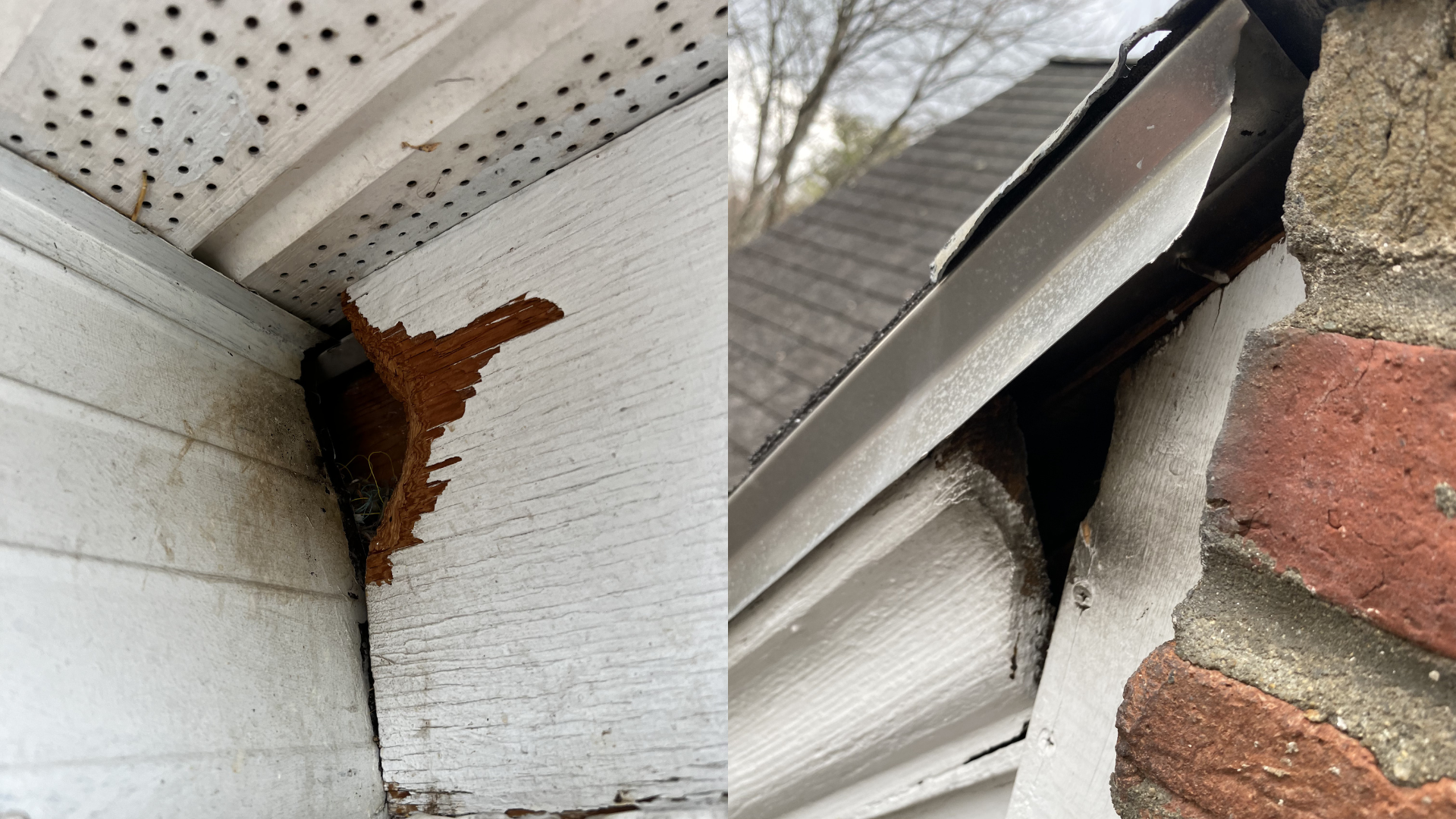
4. Squirrels cause approximately 20% of house fires in the US.
Squirrels are opportunistic invaders. When they spot a vulnerability in your home’s exterior, they’ll take it as an invitation to squeeze right through. Starting with gaps in rooflines, cracks in eaves or soffits, and weak roof vents, they’ll gnaw right through those materials to make a perfect, squirrel-sized entrance.
But the damage doesn’t stop there. Once inside, squirrels will continue their path of destruction:
- To expand their territory, squirrels will gnaw through wooden beams, rafters, drywall, and more, leaving costly structural damage in their wake.
- Squirrels are known to chew on electrical wiring, and those exposed live wires can leave your home vulnerable to electrical fires.
- While living under your roof, squirrels will leave feces and urine behind, posing health risks, causing foul odors, and potentially triggering ceiling damage.
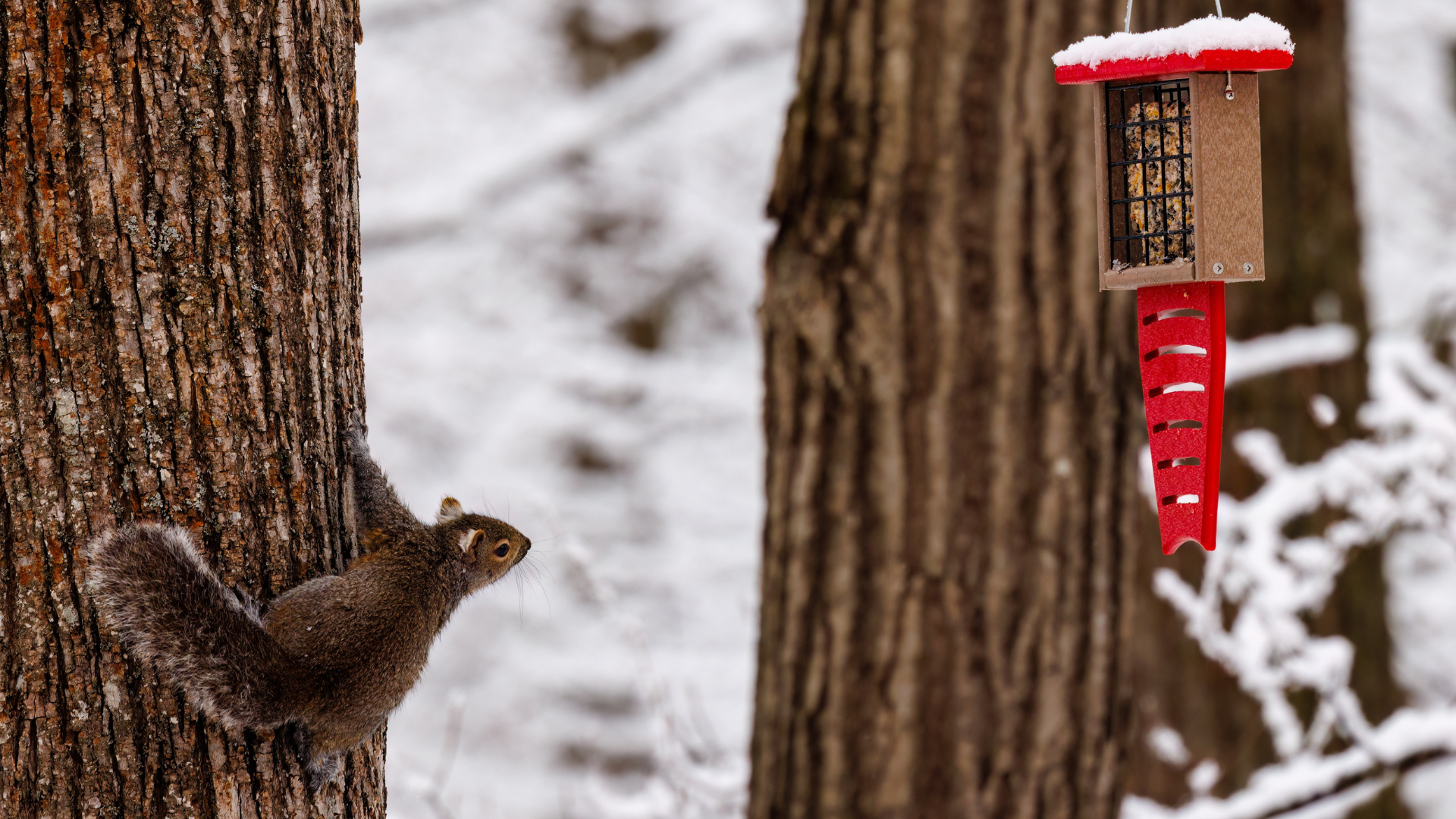
5. Squirrels can be kept from birdseed using the 5-7-9 rule.
Squirrels have a taste for birdseed—but that doesn’t mean you have to take down your birdfeeder during the winter. Instead, follow the 5-7-9 rule for placing birdfeeders. Choose a spot that is:
- 5 feet off the ground
- 7 feet away from horizontal launching points
- 9 feet below any overhead structures or hanging branches
Following these guidelines should put your birdfeeder just out of reach of squirrels.
6. Squirrels can be prevented using proactive exclusion techniques.
Squirrels are crafty, but preventing them can be easy thanks to a comprehensive exclusion strategy.
Exclusion services aren’t a reactive solution—they’re a proactive one. That means it helps prevent pest problems before they’ve even started.
To deter squirrels, we use Integrated Pest Management (IPM) methods to identify, seal, and block any potential entry points around your home. Our experts will also work directly with homeowners to create a long-term plan. Because of how common squirrels are in New England, extra environmental precautions (like removing overgrown vegetation and better sealing garbage) are extremely effective against future infestations.
Contact Us Before Squirrels Drive You Nutty
If you think you’ve already started to hear scratching, spotted droppings, or caught a glimpse of any gnaw marks, don’t worry. Get in touch and our wildlife experts will safely and humanely show your squirrels the door. In this case, it’ll be a one-way door: we’ll install one-way exits on any active entry points near your infestation, so squirrels are able to leave—but not able to come back.
To cover year-round pest concerns, ask us about ExclusionPro Home Systems for preventing a variety of New England’s most common wildlife pests, from squirrels and other rodents to bats and raccoons.
Wishing you a safe and squirrel-free winter!