The New Englander’s Guide to Mice Prevention
What you need to know in order to keep mice out all year long.

Did you know approximately 21 million U.S. homes fall victim to mice infestations every year?
Here in New England, we’re no strangers to nuisance pests of all shapes and sizes, but rodents might be as common of a pest as they come. In fact, 40% of all mammals are rodents, and these sneaky, toothy critters have a knack for finding their way into places they shouldn’t.
But after over 40 years of service in Massachusetts, Maine, and New Hampshire, we're more than familiar with how mice operate. Here’s our guide for keeping an eye out for key warning signs, so we can keep mice out together.
Quick Facts About Mice
What are the most common types of mice in New England?
House mouse (Mus musculus) and white-footed deer mouse commonly invade New England homes.
How do mice typically find their way into homes?
Mice can squeeze through holes as small as ¼ inch, about the size of a dime.
How frequently do mice reproduce?
Females may have 5 to 10 litters per year, each with 5 to 6 young. Litters are produced every 19 to 21 days and pups reach maturity in 6 to 10 weeks.
Are mice associated with any health risks?
Rodent urine, droppings and saliva can transmit diseases such as hantavirus, leptospirosis and salmonella and trigger allergies and asthma. Gnawing rodents also cause fires by damaging electrical wiring.
Why Do Mice Invade Homes in New England?

Mice are a year-round problem across New England, but activity surges in autumn and winter for a few different reasons:
Seasonal Migration
Mice remain active year‑round and do not hibernate. As outdoor temperatures drop, their survival strategy shifts from roaming fields to finding sheltered, warm environments. Even modest nighttime temperature drops signal rodents to seek warmth and a stable food supply indoors. Heated homes act like beacons; escaping heat around foundations, utility lines and attic vents draws mice toward entry points.
Food Scarcity
Winter also limits natural food sources. Seeds, berries and insects that mice rely on become buried under frost or snow, forcing them to adapt or starve. Residential structures provide easy access to stored pantry goods, pet food and trash. From a mouse’s perspective, a home offers both warmth and a dependable food supply, making invasion irresistible.
Structural Decay & Environmental Factors
Older New England homes often have settling foundations, drying wood and aging masonry that create small openings along sill plates, utility lines and basement walls. Settling and aging materials leave gaps that mice exploit, especially in fall and winter. Seasonal temperature swings cause materials to expand and contract, opening new entry points.
Dense suburban neighborhoods also support large mouse populations. Landscaped yards, bird feeders and compost bins provide food sources, while barns, garages and sheds offer shelter. Proximity to agricultural fields and woodlots allows deer mice to move between natural habitats and suburban homes.
How Mice Sneak Their Way Inside
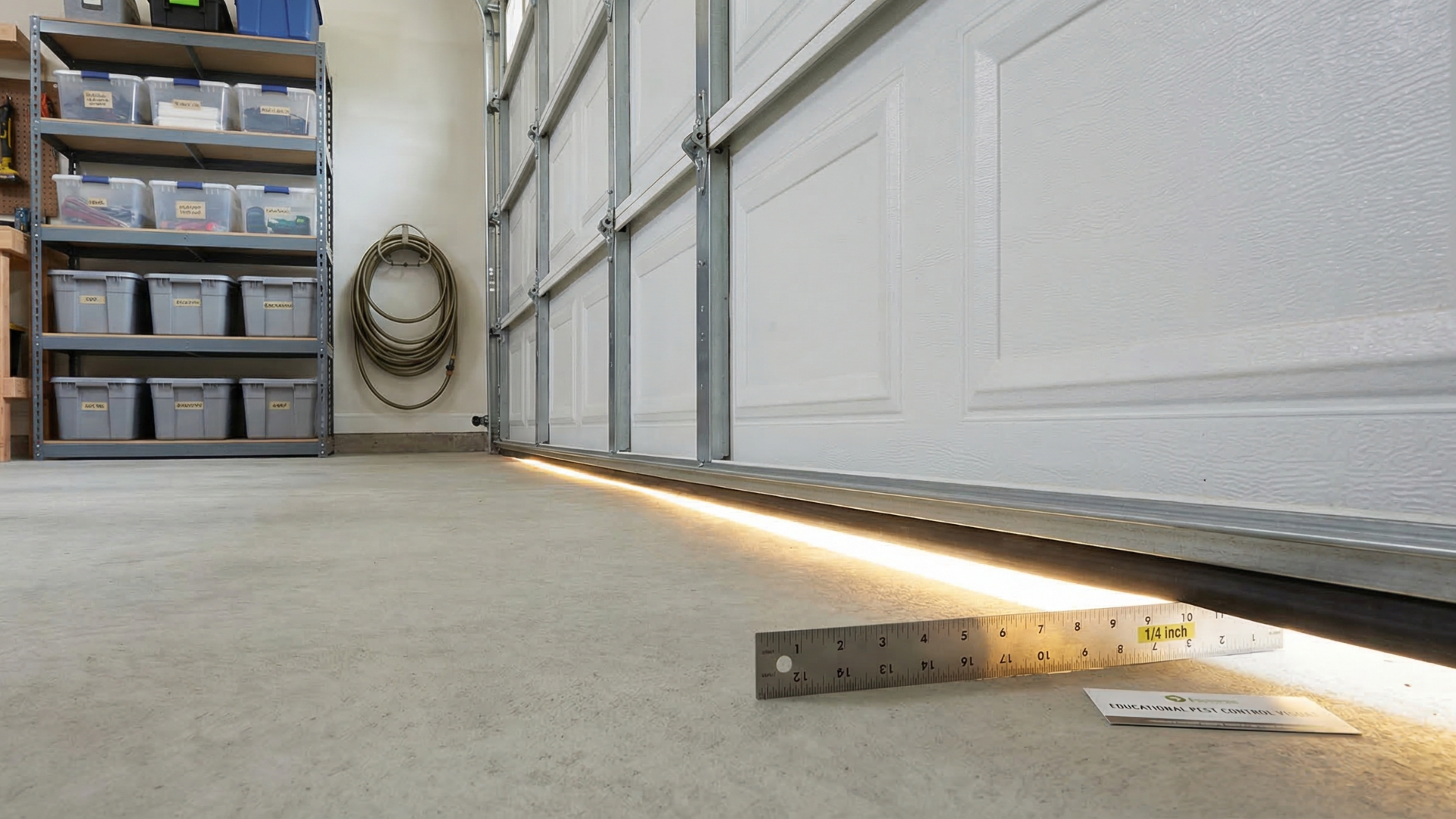
Mice have soft, flexible bodies and cartilage‑based skeletons, so if their head fits through an opening, the rest of the body can follow.
They can squeeze through holes as small as ¼ inch—roughly the size of a dime or the eraser on a pencil and can leap up to 13 inches. Common entry points include:
Gaps under doors
Even weather‑stripped doors often leave a space large enough for a mouse.
Prevention strategy: install metal door sweeps and ensure garage and basement doors close tightly.
Utility penetrations
Spaces where plumbing, electrical cables or vents enter the home provide direct access.
Prevention strategy: Seal around pipes and cables with metal mesh or specialty gaskets; use sealant or concrete around utility lines.
Foundation cracks & missing mortar
Cracks in foundations or masonry gaps allow entry at ground level.
Prevention strategy: Inspect and seal cracks with durable materials such as concrete or metal cloth; repair missing mortar.
Roofline and soffit gaps
Mice are excellent climbers and can run along cables or wires to reach rooflines.
Prevention strategy: Screen attic vents, repair soffit gaps and trim tree branches away from roofs.
Garage door corners & bulkheads
Poorly aligned garage doors or bulkhead doors often leave small corners open.
Prevention strategy: Install tight‑fitting seals or kick plates and regularly inspect mechanical closures.
The Top 5 Warning Signs for Mice
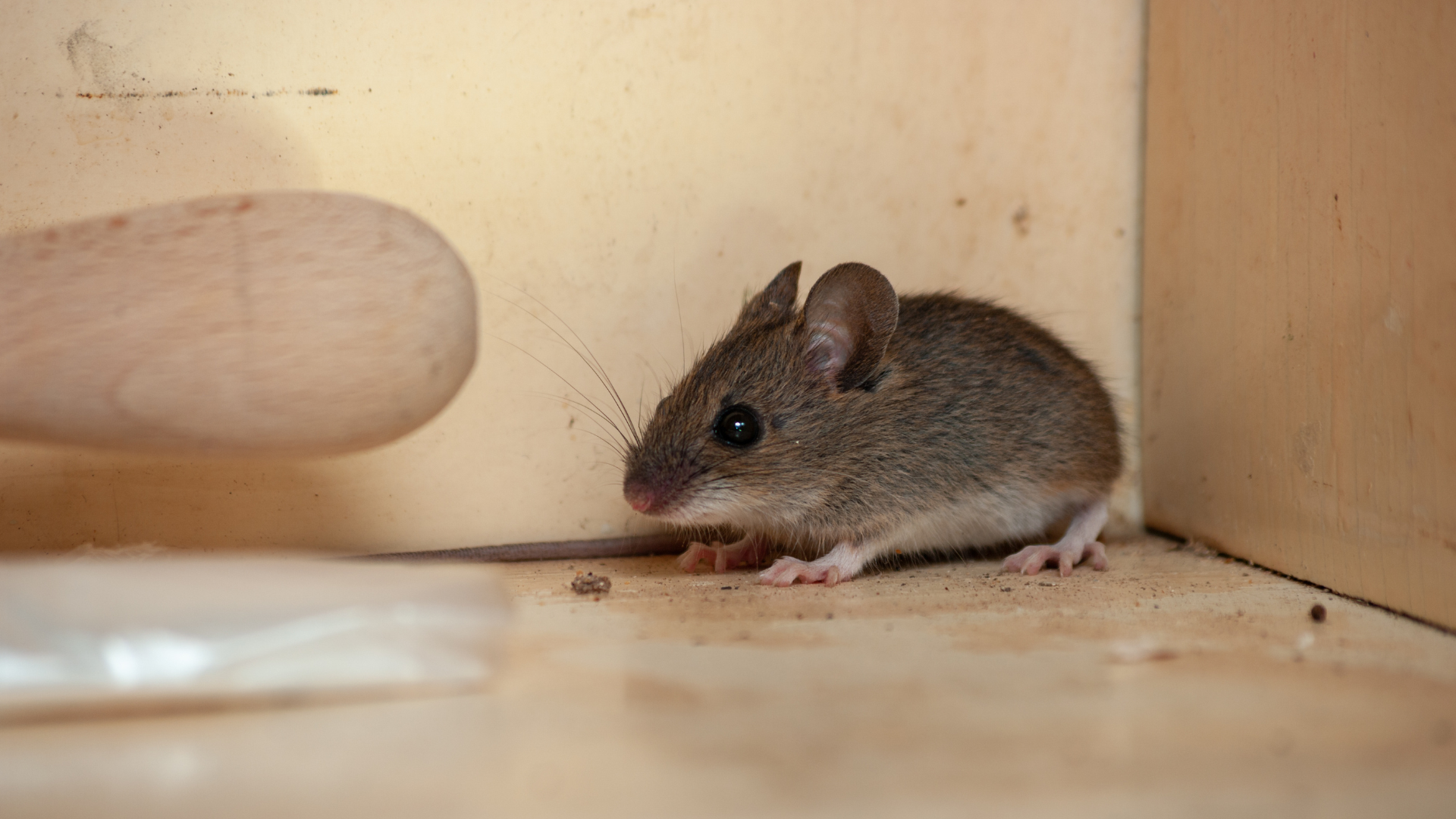
Mice are secretive, nocturnal creatures, so you will often notice evidence before seeing the animals themselves. Key signs include:
1. Droppings and urine – House mouse droppings are small (⅛–¼ inch long), black pellets with pointed ends. Musky odors and urine stains on woodwork or baseboards suggest active nesting.
2. Scratching or movement noises – Light scuttling or squeaking sounds inside walls or ceilings at night often indicate a rodent activity hotspot. Pets may become agitated near walls where mice travel.
3. Gnaw marks – Mice gnaw constantly to trim their teeth. Look for tooth marks on baseboards, doors, wires and food packaging, or piles of wood shavings.
4. Nests – Nests are typically made from shredded insulation, paper or cloth and measure roughly 5 inches in diameter. Droppings, seeds and food scraps are usually nearby.
5. Odor indicators – Accumulated droppings and urine produce a musty, musky odor that becomes noticeable in enclosed areas like cabinets or crawl spaces.
Our Prevention Strategies for Keeping Mice Out

Mice are sneaky, opportunistic pests, but there are ways to deter them from entering your home in the first place. Our recommendations for effective mice prevention include:
Food Storage & Sanitation
Rodents are attracted to readily available food. Store dried goods, bird seed and pet food in glass or metal containers with tight‑fitting lids. Clean spills promptly and feed pets on a schedule, refrigerating leftovers. Keep compost piles enclosed with hardware cloth and regularly clean garbage cans and dumpsters. Remove clutter where mice could hide, particularly in basements, attics and garages.
Landscaping & Exterior Maintenance
Thick vegetation, debris and piles of wood or rocks around foundations provide cover for mice. Maintain a buffer zone by trimming shrubs and vines away from the house and storing firewood off the ground. Keep grass mowed and remove leaf piles and yard waste promptly. Because mice are adept climbers, ensure tree branches do not overhang rooflines or contact power lines.
Ongoing Monitoring
Integrated Pest Management (IPM) stresses regular monitoring and a combination of cultural, mechanical and chemical controls. Use sticky traps or mechanical snap traps along walls and in attics or crawl spaces where activity is observed. Check traps frequently and wear gloves when disposing of captured rodents. Inspect buildings quarterly for new entry points and signs of activity. When populations persist, consult a licensed pest management professional certified in IPM to design a long‑term exclusion and monitoring plan.
Professional‑Grade Exclusion
The most permanent control method is to “build them out.” Exclusion should focus on foundation cracks, gaps around doors and windows and entry points for utilities. Installing metal kick plates and door sweeps prevents gnawing along edges. Repairing screen holes and replacing damaged weather stripping also reduce access.
The Dangers of Mice Infestations
Health Risks
Rodents carry diseases that can spread directly or indirectly to people. The Centers for Disease Control and Prevention notes that contact with rodent droppings, urine or saliva can transmit pathogens. Hantavirus is primarily spread through aerosolized urine and droppings and can cause severe respiratory illness. Leptospirosis, acquired from water contaminated by rodent urine, affects the liver and kidneys. Salmonella, often linked to food poisoning, can be spread when rodents contaminate food supplies.
Mice also shed allergens in their droppings and dander that can trigger asthma attacks or other respiratory issues. Rodents often carry fleas, ticks and mites that can transmit additional diseases. Reducing rodent populations promptly is therefore critical for protecting family members, especially children and the elderly.
Property Damage
Beyond health risks, mice can cause extensive structural damage. Their teeth grow continuously, prompting constant gnawing. When mice chew on electrical wires, they can cause short circuits and increase fire risk. They may also chew through insulation, drywall, pipes and stored belongings. Urine can stain and corrode materials, and nests can clog ventilation systems. Early control helps prevent costly repairs.
Why Professional Pest Intervention Matters
Do-it-yourself exclusion is a great place to start, but it’s easy to miss hidden entry points when taking matters into your own hands. That’s where we come in: to implement safe, effective pest control to deal with infestations, and comprehensive prevention strategies to stop an invasion before it even begins.
Inspection & Exclusion Services
Effective rodent control begins with a thorough inspection. Our pest control technicians will look for droppings, gnaw marks, tracks, rub marks and nesting sites. They identify active entry points along foundations, utility penetrations, rooflines and other vulnerable areas. Once access points are found, we'll seal openings greater than ¼ inch using durable materials and implement structural modifications to exclude mice long term.
Targeted Treatment Plans
Integrated control methods including traps, baits, control stations and monitoring are common ways we implement IPM, which aims to minimize the use of chemical rodenticides by prioritizing exclusion, sanitation, and mechanical trapping.
Monitoring & Follow‑Up
After initial treatment, follow‑up visits ensure that exclusion measures remain intact and that mice have not re‑entered. We offer ongoing monitoring services, using digital rodent surveillance or scheduled inspections. Detailed reports document all work performed and recommend any structural repairs.
Spotting Warning Signs? Get In Touch
If you notice rice‑shaped droppings with pointed ends, gnaw marks on wood or wiring, scratching sounds in walls at night or musky odors, these signs suggest that you’ve got a mouse infestation on your hands—a problem best left to the professionals.
Get in touch for a free quote. Our team will match you with a mice prevention strategy best suited to your home and your family!